

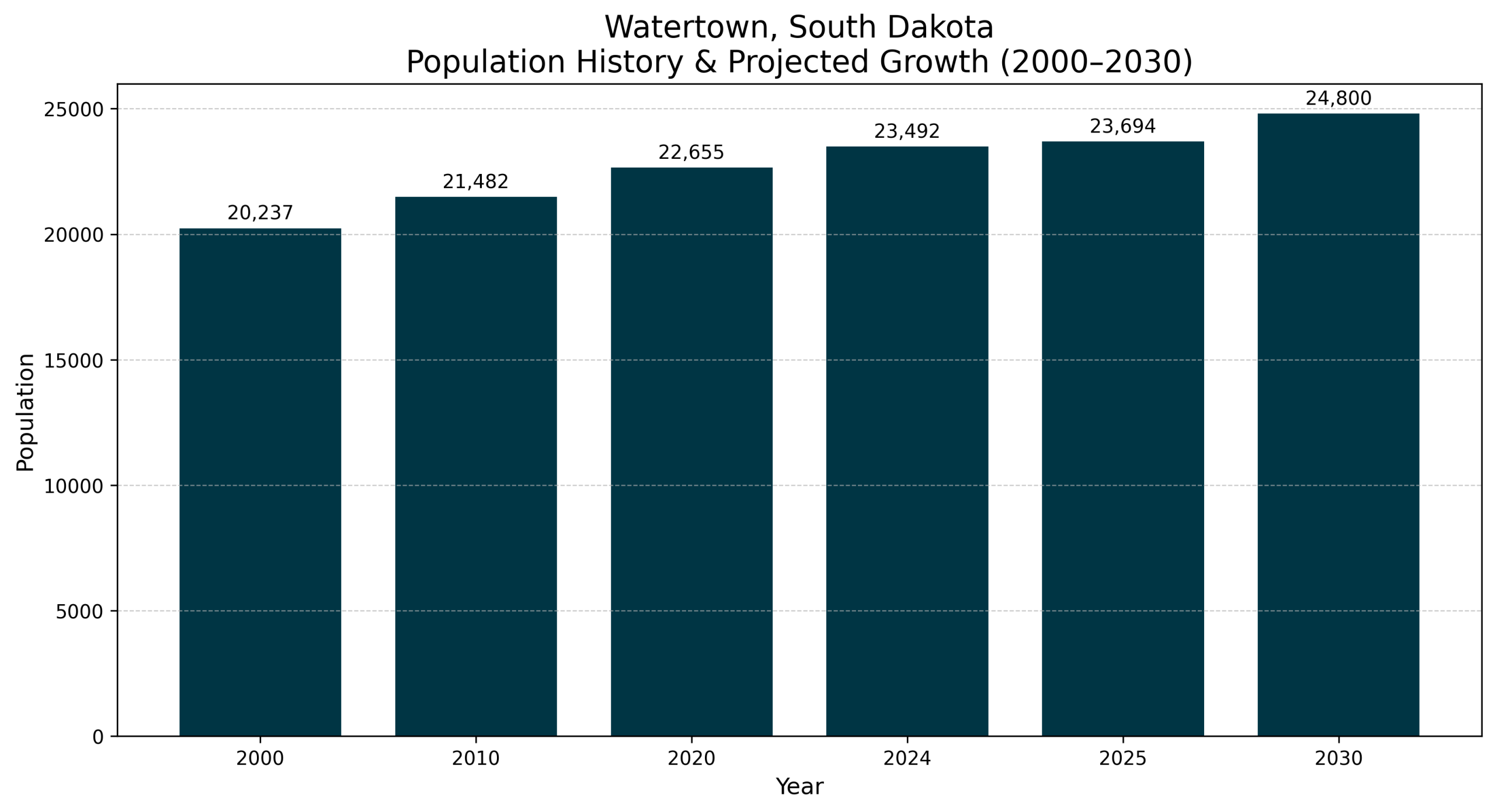
As of 2025, the population of Watertown, SD is estimated at 23,492 residents. The population is projected to grow steadily over the next several years as the community continues to expand as a regional center for business, healthcare, and manufacturing in northeastern South Dakota.
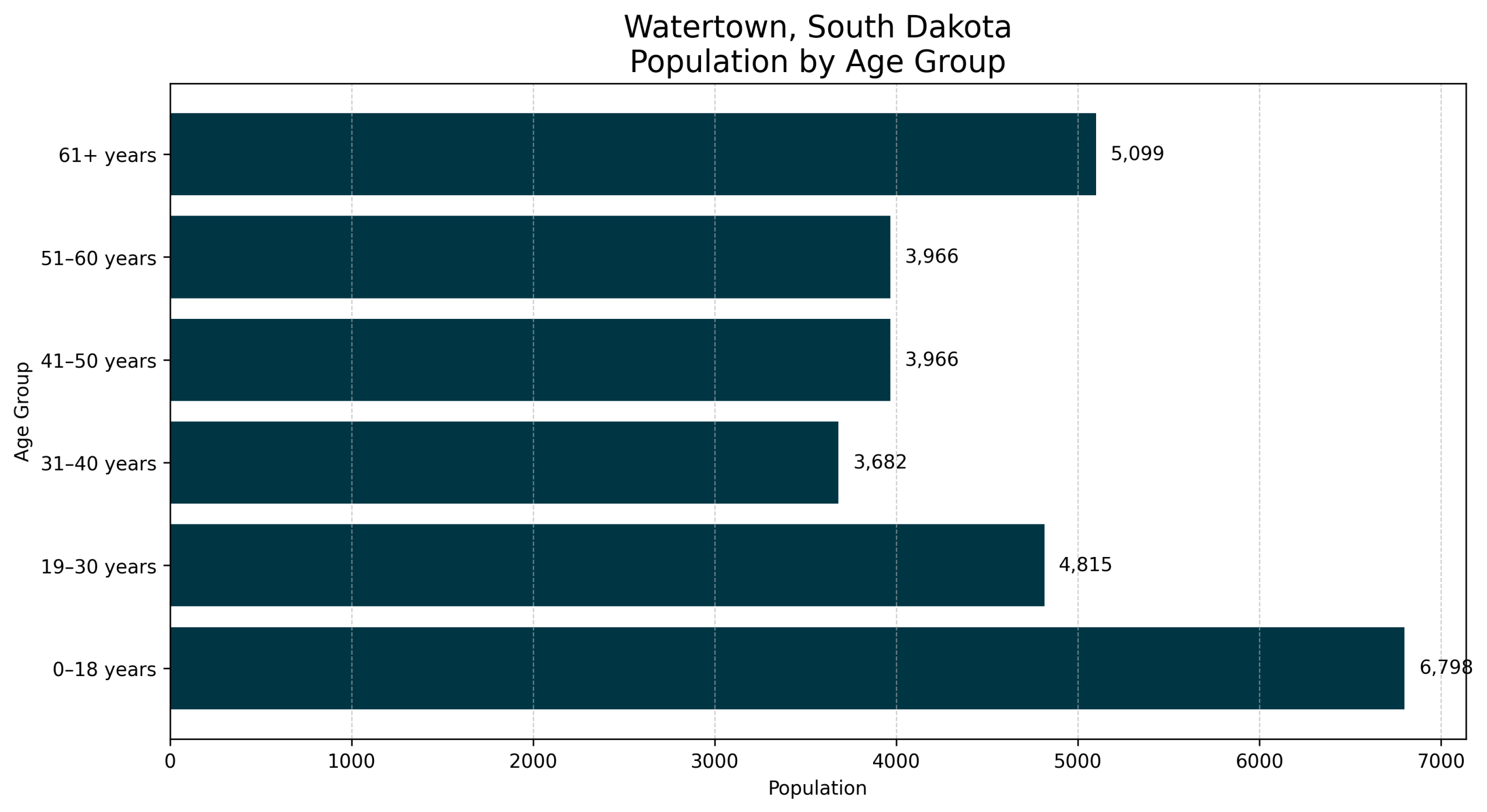
The median age of Watertown residents is approximately 36 years, reflecting a balanced mix of young professionals, families, and retirees.
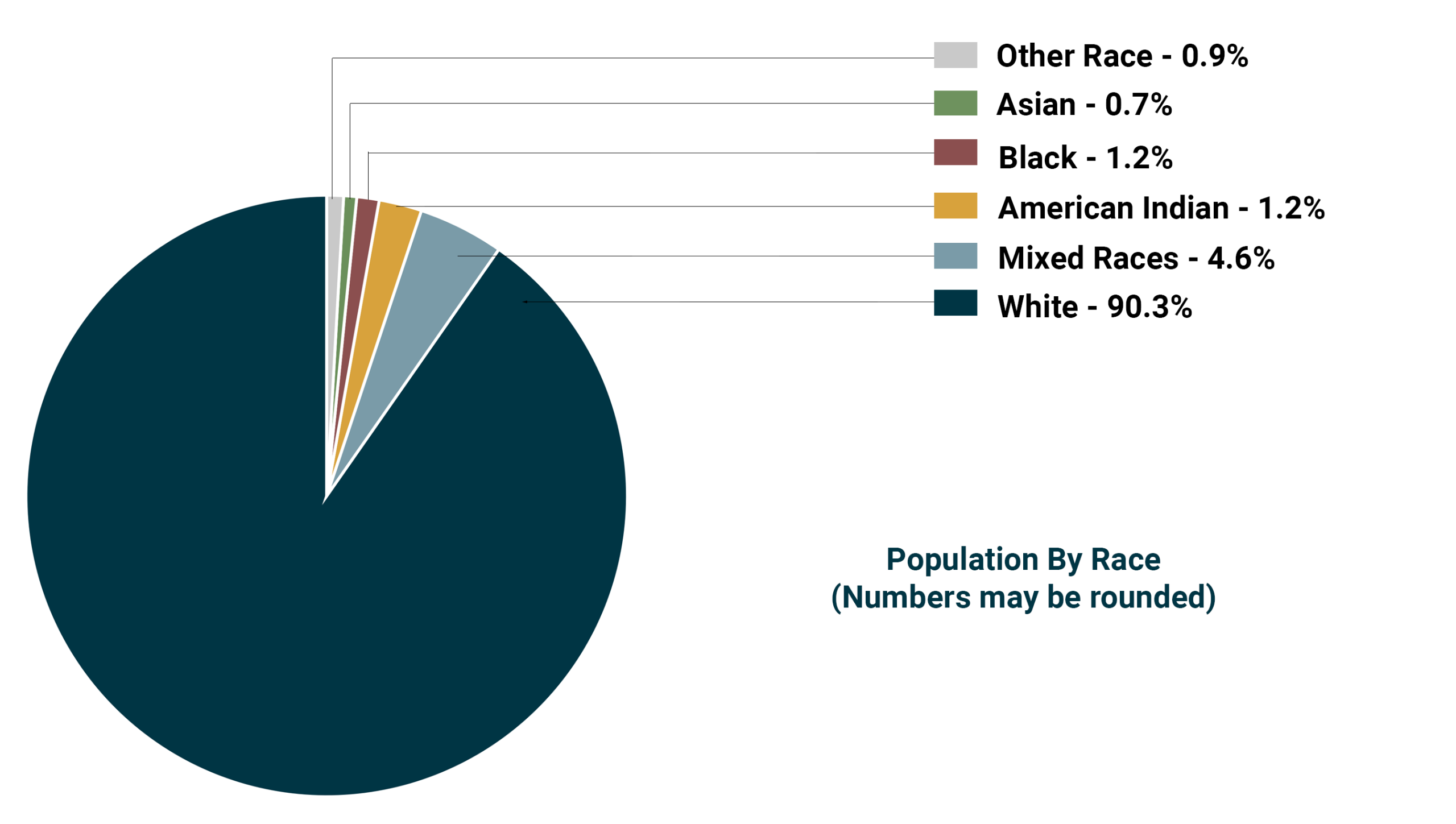
Watertown has a diversity index of approximately 29, meaning there is about a 29% chance that any two people selected from 100 residents will be of different race or ethnicity. This reflects a community that is gradually becoming more diverse while maintaining its strong Midwestern roots.
The average household income in Watertown, SD is approximately $81,300, with a median household income of about $69,600. Per capita income is approximately $39,939. About 6–9% of households live below the poverty line, reflecting generally stable income levels for a regional hub community.
There are approximately 11,200 housing units in Watertown; about 7,300 are owner-occupied, 3,200 are renter-occupied, and roughly 700 units are vacant. The median value of owner-occupied homes is approximately $229,000–$237,000, making housing relatively attainable compared with many communities nationwide. Watertown’s housing stock includes a mix of newer developments and established neighborhoods, with many homes built between 1970 and 2000, along with a number of homes constructed before 1940, contributing to the city’s historic character.
Here’s a clean, easy-to-understand version:
In January 2024, people living in Codington County, South Dakota earned a total of about $2.1 billion in income. This is the highest amount ever recorded for the county. Back in 1969, the total income was much lower, at about $59 million. This data comes from the Federal Reserve and includes all types of income, like wages, business earnings, investments, and government benefits.
– last updated from the United States Federal Reserve on April of 2026.
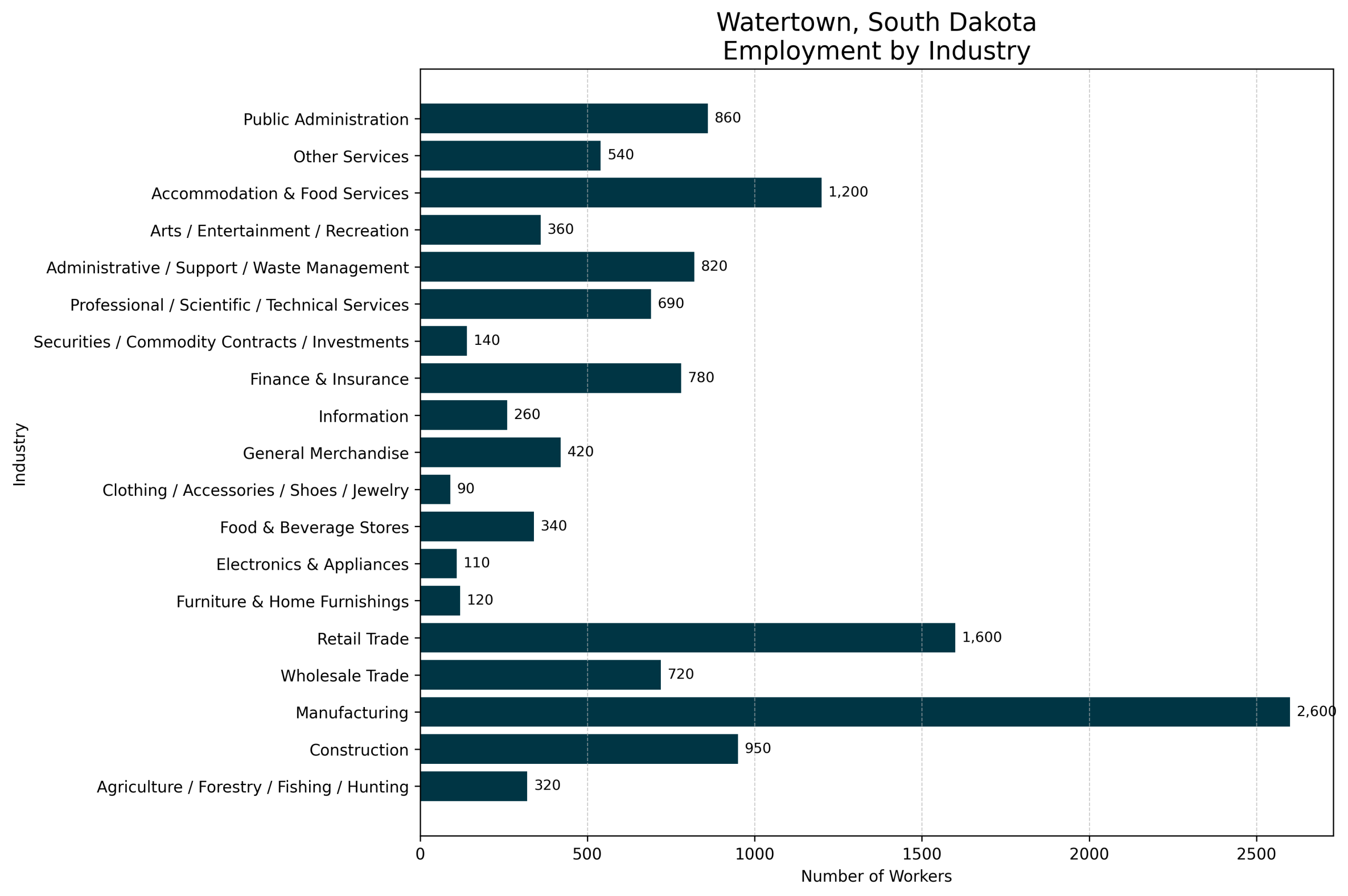
There are approximately 1,050 businesses in Watertown, SD, employing about 14,300 workers and drawing from a labor force of roughly 12,400 residents age 16 and older. As the primary economic center of northeastern South Dakota, Watertown also attracts workers from surrounding communities, with an estimated 2,000–2,500 workers commuting into the city each day from outside Codington County or nearby rural areas. Key industries for the area include:
Other Services excl Public Administration Bus : 145
Retail Trade Businesses : 138
Health Care/Social Assistance Bus : 121
Accommodation/Food Service Bus : 92
Real Estate/Rental/Leasing Bus : 76
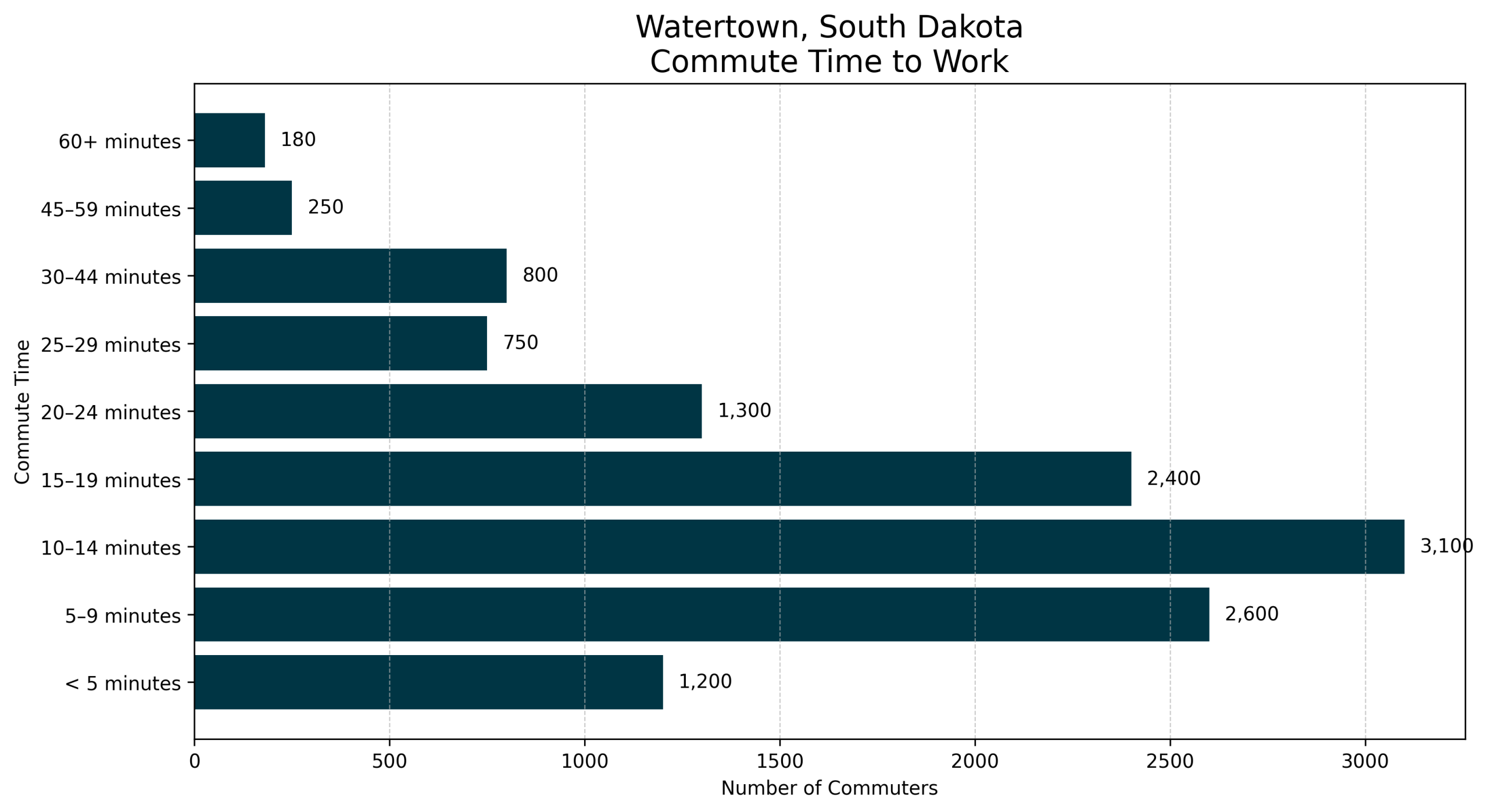
Approximately 10,200 residents both live and work in or around Watertown, SD. The average commute time is about 12.4 minutes, reflecting the community’s compact size and accessibility. Around 9% of commuters travel less than 5 minutes to work, while fewer than 0.5% commute 90 minutes or more each way. Of commuters, approximately 9,200 drive alone, 1,080 carpool, and very few rely on public transportation. About 620 residents use other forms of transportation such as walking, bicycling, or motorcycles, and approximately 1,450 residents work from home.
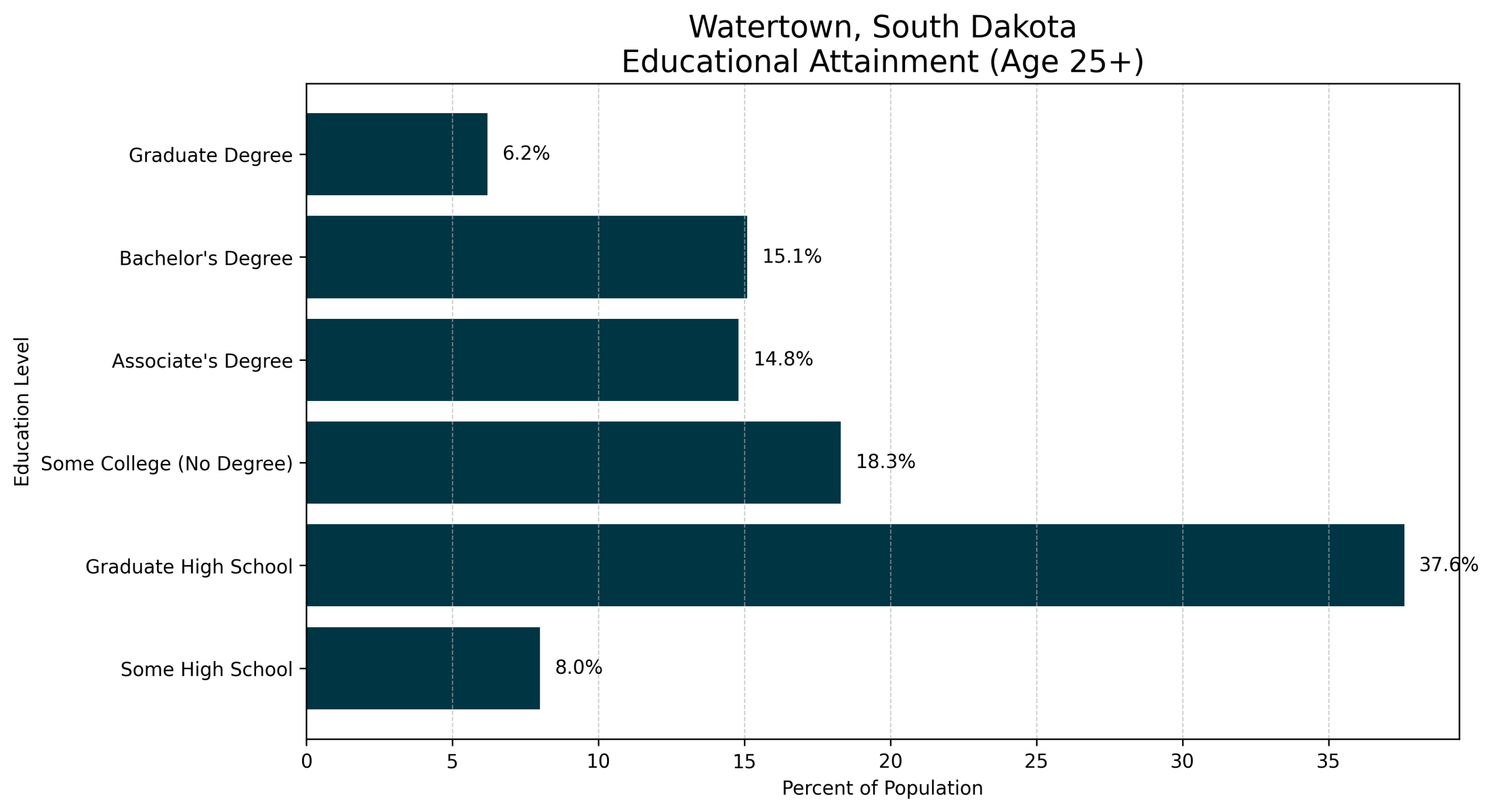
Within the workforce, about 3,100 residents hold a high school diploma or GED as their highest level of education, 1,450 have associate degrees, 4,150 hold bachelor’s degrees, and approximately 2,200 residents have graduate or professional degrees.
Serving the Watertown, South Dakota community for over 60 years, Watertown Municipal Utilities provides electric, water and natural gas services to over 10,000 residential and 2,000 commercial customers. Watertown Municipal Utilities is committed to providing competitive utility rates for our customers and is consistently ranked among the lowest cost in comparison to other utility companies in the region.
As a provider of electric, water, and natural gas utility services to the residents and businesses in our community, it is their continuing endeavor to provide their customers with high quality, safe and efficient services at the lowest possible cost, while promoting conservation and responsible management of resources.
Watertown Municipal Utilities Rate Sheet
Watertown serves their customers through a looped 115 kv system with five 115/12.5 kv substations throughout the city. Total capacity of WMU’s distribution system is roughly 120 MW with a peak demand of 80 MW. 35% of WMU’s requirements are served from Western Area Power Administration (hydro), and 65% are from Missouri River Energy Services (MRES).
WMU serves its customers through a looped 60-psi steel distribution system. Two separate natural gas transmission lines feed the community: Northern Border Pipeline is the primary feed, and Northern Natural Gas is the back-up feed.
WMU has peak daily usage of 8 million gallons and operates a ground water treatment plant with a capacity of 14 million gallons per day. Additionally, WMU has more than adequate water rights to serve future needs.
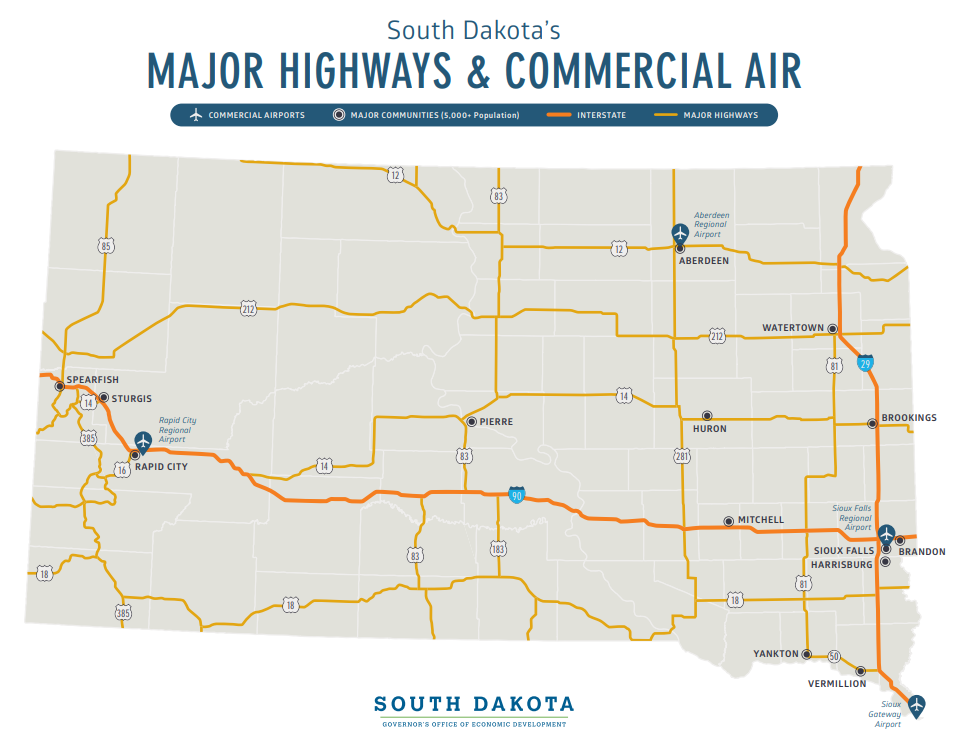
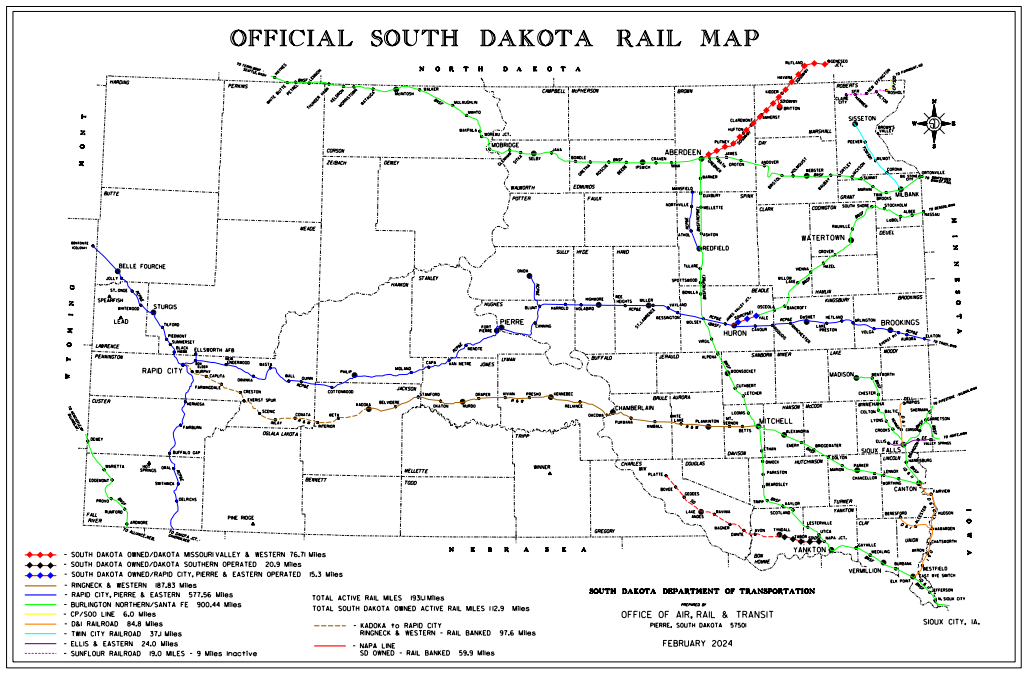
Burlington Northern Santa Fe (BNSF) provides Watertown with high level service and access to markets across the United States.
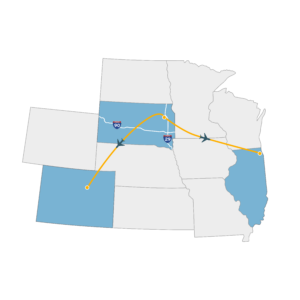
The Watertown Regional Airport (Fly ATY) has daily commercial flights to both Denver International Airport (DIA) and Chicago International Airport (ORD) providing connections to anywhere within the United States and worldwide. In 2023, over 15,455 passengers travel through the Watertown Regional Airport each. In order to keep up with the growing demand for air travel, a brand-new terminal was completed in October 2022.